The Secret Life of Bees During Winter: Hibernation?
January 02, 2026
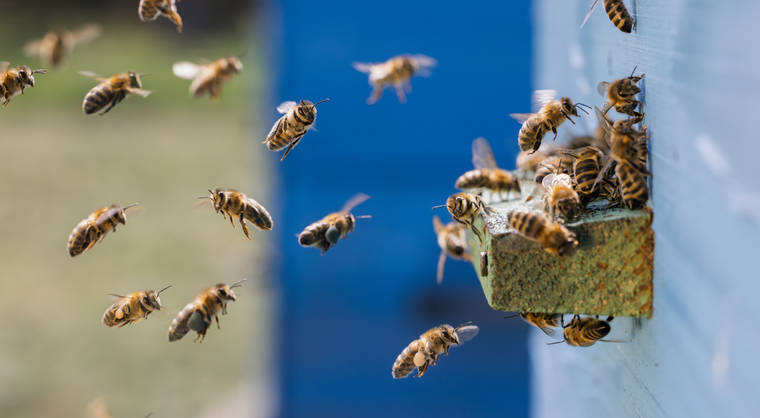
Even in the frostiest months, inside the hive, life continues in fascinating ways, quietly preparing for the warmth and growth of spring.
This winter, as you drizzle honey over warm oatmeal or stir it into tea, it's worth taking a moment to appreciate the hardworking bees behind it all.
How Bees Survive the Cold
Honey bees survive winter by forming tight clusters inside their hives. The bees huddle together, wrapping around the queen, vibrating their wing muscles to generate heat, and moving slowly to conserve energy.The temperature at the center of the cluster can reach nearly 90°F (32°C), even when the outside air is freezing. Bees rotate positions within the cluster to ensure that each member stays warm, a delicate choreography that allows the colony to endure even the harshest conditions.
Not all bees behave the same way during winter. While honey bees stay active within their hives, other species, like solitary bees or bumblebees, overwinter in different life stages — as pupae, larvae, or in protective cocoons. This diversity ensures that bees continue playing vital roles in ecosystems, even when flowers are scarce. It also underscores the adaptability and resilience of these tiny but mighty insects.
Fun fact: A single winter hive can contain tens of thousands of bees, all working together to generate warmth and protect the queen. It's a reminder that even in the quiet of winter, life inside the hive is buzzing on a smaller, cozier scale.
What Bees Eat During the Cold Months
Inside the hive, survival depends on the colony's food reserves. Bees consume the honey they produced and stored during the warmer months. This winter pantry keeps them nourished when nectar is unavailable and provides the energy needed to maintain the cluster's heat.When you enjoy a spoonful of something like Clover Honey in your tea or with some cheese, you're tasting the result of months of careful foraging.
Each jar represents countless hours of work by bees during sun-filled days, now preserved for your enjoyment in the quiet of winter.
It's also a good reminder of why sustainable harvesting matters. Beekeepers leave enough honey behind to support the hive, ensuring the colony survives and thrives until spring.
Winter Hive Behavior & Activities
Even though bees aren't flying from flower to flower, the hive is far from dormant. Take a peek inside a honey bee hive and you'll see them engaging in plenty of activities, including:• Clustering for warmth: Bees pack tightly together, conserving heat for the queen and the brood.
• Minimal flight: Alright, this one is more of a lack of activity. Though most bees remain inside, on sunny winter days, some take short "cleansing flights" to relieve themselves.
• Maintaining hive structure: Worker bees inspect the hive, remove debris, and protect it from pests or cold drafts.
• Preparing for spring: As winter progresses, the colony gradually gears up for emergence, ready to take advantage of early blooms.
Did you know? A winter cluster can generate enough warmth to allow the queen to keep laying a small number of eggs, even in the cold. And the constant motion of bees rotating within the cluster ensures that no single bee gets too cold. That's teamwork at its finest!
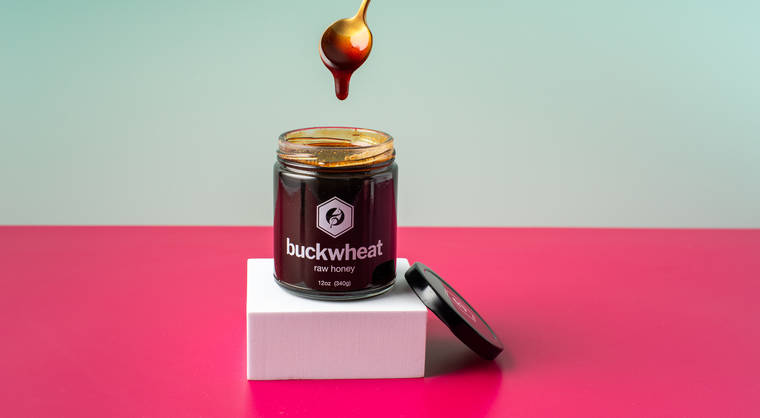
Enjoying Bits of Summer Through Honey
The flavor and variety of honey are deeply influenced by bees' foraging habits during the growing season. Bees collect nectar from specific flowers, and those nectar sources determine the aroma, color, and taste of the honey we savor months later.For example, Buckwheat Honey has a rich, robust flavor thanks to nectar gathered from buckwheat blossoms in the summer. Meanwhile, Orange Blossom Honey carries a delicate citrus aroma from bees visiting blooming orange trees. Enjoying these flavors in the cold months is like tasting the summer sun, carefully stored and preserved by the hive.
This seasonal perspective helps us appreciate that every jar of honey is a snapshot of nature's rhythm and the bees' tireless work.
Honey in Winter: Tips for Enjoying It
Winter is the perfect time to explore honey beyond the spoon. Here are a few ideas:• Warm beverages: Stir honey into teas, coffee, cider, or cocoa for natural sweetness and flavor.
• Oatmeal and breakfast: Drizzle over hot cereal or yogurt for a comforting start to the day.
• Baking and cooking: Use honey as a glaze for roasted vegetables, in breads, or holiday desserts.
• Creative garnishes: Top herbal teas with a small cinnamon stick, a slice of citrus, or a light swirl of honey for a festive touch.
These simple touches allow you to connect with the seasonal sweetness bees have provided while adding warmth and comfort to your winter routine.
A Sweet Reminder From Nature
Winter may feel quiet, but a honeybee hive tells a different story. Bees cluster, consume their stores, and prepare for the life that will emerge in spring. Their careful work during warmer months ensures that we can enjoy honey all year long.So this winter, when you pour a drizzle of honey over your favorite treat or stir it into a steaming cup of tea, remember the busy bees that made it possible. From the summer blooms they visited to the cozy cluster they kept warm, every spoonful carries a little of their story (and a lot of sweetness).