Does Honey Expire? Honey's Shelf Life In Winter
February 23, 2026
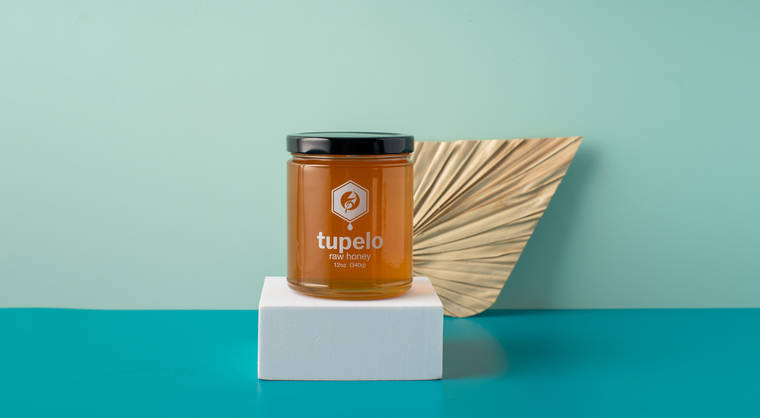
Honey isn't just long-lasting. It's legendary for its ability to remain safe and delicious through seasons, years, and even centuries. As winter settles in and we lean more heavily on pantry goods, it's a great time to appreciate why honey is such a remarkable cold-weather companion.
Let's take a closer look at the science that makes honey one of the most enduring foods on the planet, and why that half-used jar in your cupboard is still perfectly good.
Honey Practically Never Spoils
When temperatures cool, and we shift toward hearty stews, warm tea, and cozy baking projects, honey becomes a natural go-to. Part of its appeal is its taste, but an even bigger part is its shelf life: honey lasts almost indefinitely. That's not an exaggeration… it's chemistry.A few key qualities work together to make honey nearly immortal:
1. Extremely Low Moisture Content
Most bacteria and microorganisms need water to grow. Honey contains very little of it, especially compared to other sweeteners. Its high sugar concentration binds the water so tightly that microbes simply can't access what they need to survive.
Honey's acidity, which is usually between a pH of 3 and 4, creates an environment where bacteria don't thrive. It's naturally self-preserving in a way most foods are not.
3. Built-In Antimicrobial Properties
When bees make honey, they add an enzyme called glucose oxidase. When this enzyme interacts with small amounts of moisture, it produces hydrogen peroxide: a gentle but effective antimicrobial compound. In other words, honey has its own natural defense system.
4. Mostly Natural Sugars
Glucose and fructose dominate honey's composition, leaving very little room for spoilage-causing compounds. The sugars also pull moisture away from potential bacteria, making survival even harder.
Put all this together, and you have a food that's practically designed to last through countless seasons, from the warmest to the coldest.
A Little History: Honey That Survived the Centuries
If you ever need proof of honey's longevity, consider this: archaeologists have found jars of honey in ancient Egyptian tombs that remained perfectly edible thousands of years later. Ancient civilizations didn't have refrigerators or preservatives, yet honey stayed fresh through blazing summers and harsh winters alike.Long before modern food storage, people leaned on honey as a dependable sweetener that wouldn't spoil, especially during winter when food scarcity was a real concern. In other words, honey was a form of security.
What "Expired Honey" Really Means
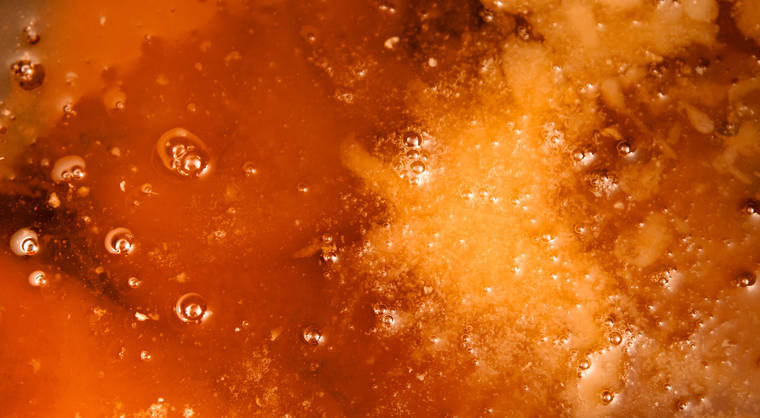
As we head into winter baking season or tidy our pantries in preparation for holiday cooking, many people wonder whether their older jars of honey are still usable. The good news is that unless contaminated by water or debris, honey essentially doesn't expire.However, honey does change over time:
• Color may darken. This happens naturally as the honey ages or is exposed to light and air.
• Flavor can mellow or deepen. Especially true for darker varietals.
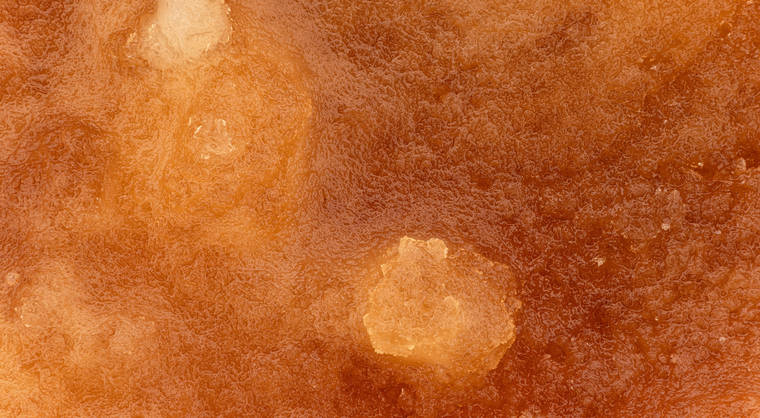
• Texture may shift. This includes crystallization, which is extremely common in cooler months.
These changes are normal and don't mean the honey is unsafe. Think of them less as signs of age and more as signs of transformation.
Why Honey Crystallizes — Especially in Winter
If you've ever opened your cabinet on a cold morning to find that your once-golden honey has turned cloudy, grainy, or semi-solid, you're not alone. Crystallization is completely natural, and even more common as temperatures drop.Crystallization happens because honey contains two main sugars:
• Glucose, which crystallizes easily
• Fructose, which stays liquid
When glucose molecules separate from the water, they form tiny crystals. Cooler temperatures speed this process up, which is why honey tends to solidify more quickly in winter.
The important thing to remember is that crystallized honey isn't spoiled. It hasn't "gone bad." In fact, crystallization is often a sign of purity.
How to Bring Crystallized Honey Back to Life
Winter is the season when most people look for ways to re-liquify their honey, and luckily, the fix is simple.To gently warm crystallized honey:
1. Place the jar in a bowl of warm water.
2. Stir occasionally.
3. Repeat until the honey loosens and becomes smooth again.
Avoid boiling water or direct high heat, which can degrade honey's more delicate flavors and aromas. Slow, gentle warmth is all it needs.
Why Floral Sources Matter
Different types of honey crystallize at different rates, and winter is when those differences become especially noticeable.• High-glucose honeys (like Clover) crystallize quickly.
• High-fructose honeys (like Tupelo) stay liquid much longer.
• Darker varietals (like Buckwheat) may thicken but tend to form softer crystals.
Regardless of type, all varietals remain safe and delicious.
How to Store Honey Through the Colder Months
Proper storage helps keep honey tasting its best, and winter comes with its own considerations.1. Keep it at room temperature. Cold cupboards or basements encourage crystallization.
2. Seal tightly. Honey can absorb moisture from the air, which can change its texture.
3. Avoid direct heat or sunlight. Warm ambient light is fine, but consistent high heat can dull honey's character. Store it like you would olive oil or spices: somewhere consistently cool (but not freezing).
Honey's Long Life Makes Winter Cooking Easy
As the winter season unfolds with its darker evenings, warm drinks, and quiet comforts, honey is one of those rare ingredients that asks for almost nothing yet gives so much. It's reliable, soothing, endlessly adaptable, and wonderfully long-lasting.So if you find yourself reaching for honey more often during these colder months, you're in good company. Whether you're baking, sweetening tea, glazing roasted vegetables, or simply enjoying a spoonful straight from the jar, honey is always ready to be part of the moment.
After all, it's been waiting a long time.