A Beekeeper's Journal: How to Start Beekeeping
January 18, 2023
by Martine Gubernat
To Bee or Not to Bee?
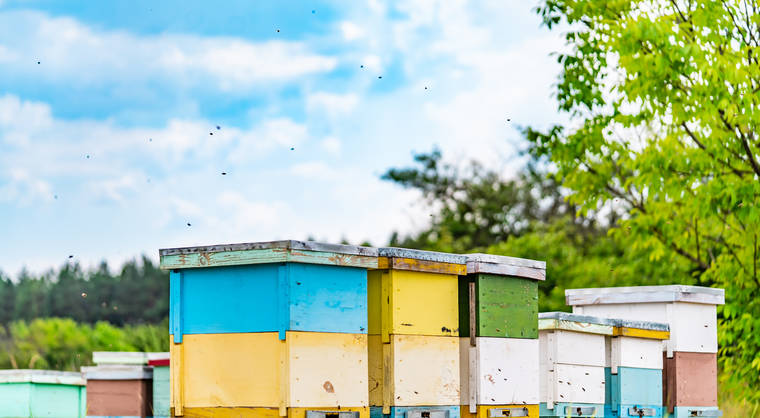
Shakespeare’s eponymous character, Hamlet, overwhelmed with grief and sadness, was contemplating suicide when he questioned whether “to be or not to be” (3.1.56). I, on the other hand, was of sound mind and body, and generally quite happy with my life when I contemplated becoming a beekeeper nine years ago. “Why,” you may wonder, “would anyone what to be around 50,000+ stinging insects in each hive?” The answer is multifaceted…As pollinators, honey bees are essential to sustainable food production as well as the general balance of the Earth’s fragile ecosystem; beekeeping is a fascinating hobby and the longer I keep bees, the more I learn and understand not only about the bees but also about nature and the environment.
Honey bees are on the decline so I wanted to do my part to help them, and I have a fairly large garden in my suburban backyard and thought that all my flowering veggie plants would make the honey bees happy. I love local honey and use it daily on my yogurt and fruit breakfast as well as in cooking and baking; I was told that honey bees are not aggressive and only sting as a last resort if they feel threatened. All these reasons convinced me that becoming a beekeeper was a good idea!
Beeginnings
Once I made the decision, the real work and expenses began. I joined a local branch of the NJ Beekeepers Association, which provided invaluable support and knowledge via more experienced beekeepers who were willing to share their best practices and worst mistakes.Each monthly meeting focused on a seasonal activity that beekeepers needed to do in order to be good caretakers for their honey bees. Q&A was encouraged during and after presentations as well as informally with other members when there were breaks in activities.
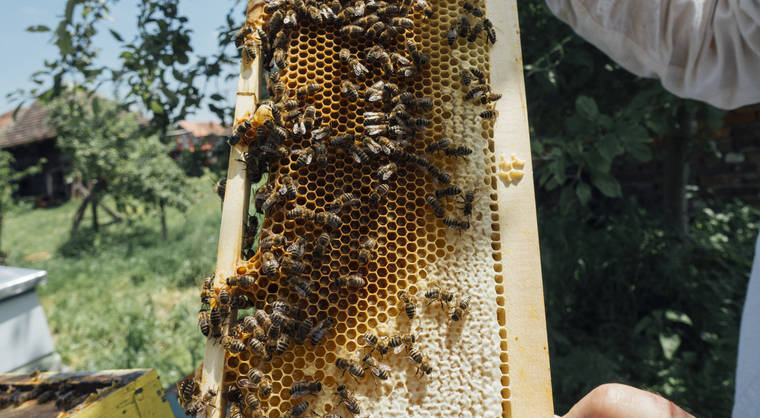
Membership in the local branch also included group discounts on purchasing bees for those like me who were just starting out, or for beekeepers who were replacing and/or adding to their apiaries. Called a nucleus hive (nuc for short) and delivered in very early spring, it consists of about 10,000 to 15,000 honey bees and one queen in a box with four or five frames of drawn comb containing honey stores as well as brood that would emerge soon.
This mini colony expands as the queen starts to lay eggs (up to 2,500 a day in the height of the nectar flow), enlarging the hive to 50,000+ bees. I ordered two nucs at the suggestion of my mentor because two different hives would offer a better point of comparison regarding honey bee activity and health. This was my first significant expense ($145 for each nuc in 2014) but I soon learned that there would be more.
Preparation
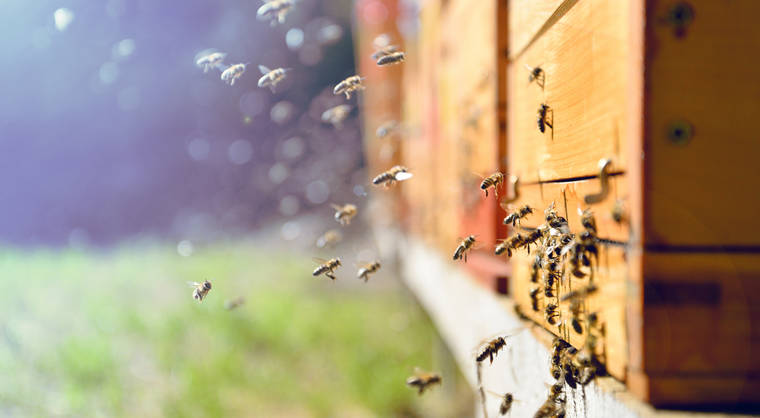
While I waited for the nucs to arrive in early spring, I ordered boxes that would make up the two hives where the honey bees would live. On the advice of several members of my branch, I opted for medium boxes rather than deeps because they would be considerably lighter to lift when filled with honey and brood (40 pounds versus 60 pounds).Each of my hives needed the following components: cinderblocks as a base so that the hives are not sitting directly on the ground; a wooden bottom board or landing board that would form the base of the hive itself; three medium boxes where the queen and the other bees in the colony would live (also called the brood chambers); two or three more medium boxes above the brood chambers where the bees would store their honey (called honey supers); an inner cover that goes on top of the honey supers; and outer cover that extends an inch or so away from the boxes below so that rain will not flow into the hive.
That whole equipment set-up cost about $200 per hive, and I actually saved a few bucks by opting to assemble the brood and honey super boxes myself. I also had to purchase 60 medium frames for each hive (10 frames for each of the six boxes) for an additional cost of $180 per hive. At that point, I began to wonder just how much honey my bees would need to produce to for me to break even with this expensive hobby.
Reflection
After nine years of beekeeping, I’m happy to report that I don’t regret the outlay of money required to get started with the hobby. I do sell some of my local honey — just enough to pay for equipment upgrades or replacements, Varroa mite treatments, and honey jars — so that my hobby is self-sustaining. My biggest rewards come from being fascinated by my amazing honey bees, learning more about them every year, and knowing that tending honey bees is good for our ecosystem.While I wait to harvest honey from my hives, I enjoy buying and sampling varietal and wildflower honey from many different states that I visit as well as from reliable online sources. Since the flavor of honey is determined by the nectar sources that the bees forage, each area produces both subtly and distinctly different honey. I was excited to see that Adagio Honey offers a wide variety of honey from responsible beekeepers who love their bees. I use Manuka honey at the first sign of the sniffles and find it to be very soothing, and I add deliciously floral Goldenrod honey to my chamomile to relax after a long day.