Why Do Different Honeys Taste Different?
January 21, 2026
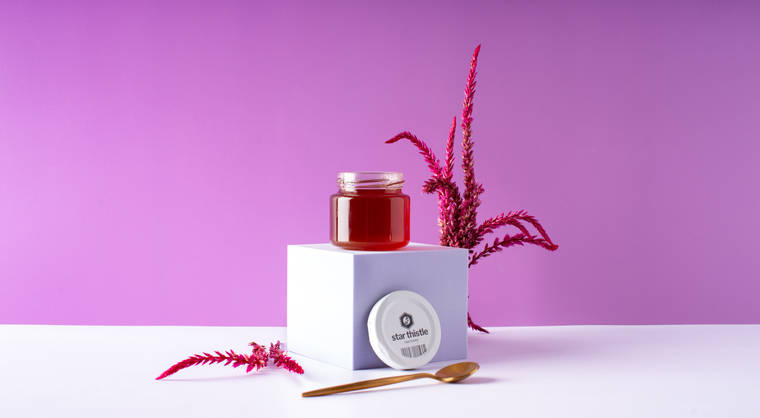
But take a closer look (and a slower taste), and honey reveals a surprising amount of complexity. Some honeys are light and floral, others dark and earthy. Some feel bright and clean, while others linger with deep, almost savory notes.
These differences aren't accidental, and they aren't added later. Honey is one of the few foods that reflects its environment almost immediately, capturing the essence of flowers, place, and season in a single jar.
Understanding why honeys taste different can completely change how you use and enjoy honey in your everyday cooking and drinks.
Honey Flavor Starts With the Flowers
The single biggest factor shaping honey's flavor is the nectar source. Bees collect nectar from flowering plants, and those plants leave a direct imprint on the honey's aroma, taste, and color.For example:
● Clover honey is typically light, clean, and gently sweet, with a familiar flavor that blends easily into tea, coffee, and baked goods.
● Orange blossom honey has soft floral notes paired with subtle citrus brightness, making it especially appealing in desserts or drizzled over yogurt.
● Buckwheat honey is dark and bold, with malty, molasses-like flavors that can feel almost savory—a favorite for hearty recipes and strong cheeses.
When a honey is labeled as a varietal, it means bees gathered nectar primarily from that specific plant. Even small variations in flowering patterns can influence flavor, which is why honey from the same varietal can still surprise you from jar to jar.
Geography and Terroir: Why Place Matters
Just like wine, coffee, or olive oil, honey is shaped by terroir (the natural environment where it's produced). Soil composition, rainfall, temperature, elevation, and surrounding plant diversity all affect how flowers grow and how much nectar they produce.Two honeys made from the same type of flower but harvested in different regions can taste noticeably different. One may feel brighter and lighter, while another feels deeper and more rounded.
These differences are subtle, but once you start paying attention, they become easier to recognize.
This is part of what makes region-specific or small-batch honeys so interesting. They offer a snapshot of a particular place and time, preserved in a way few other foods can match.
Seasonal Timing Influences Flavor
The time of year honey is harvested also plays a meaningful role in how it tastes. Early-season honeys often come from spring blooms and tend to be lighter in both color and flavor. They're delicate, floral, and gentle.As the season progresses:
● Nectar sources diversify
● Sugar profiles shift
● Flavor intensity increases
Late-season honeys are often darker, richer, and more complex, reflecting a broader mix of flowering plants. Honeys like this one tend to have more depth and a longer finish, making them especially appealing for cooking or pairing with bold flavors.
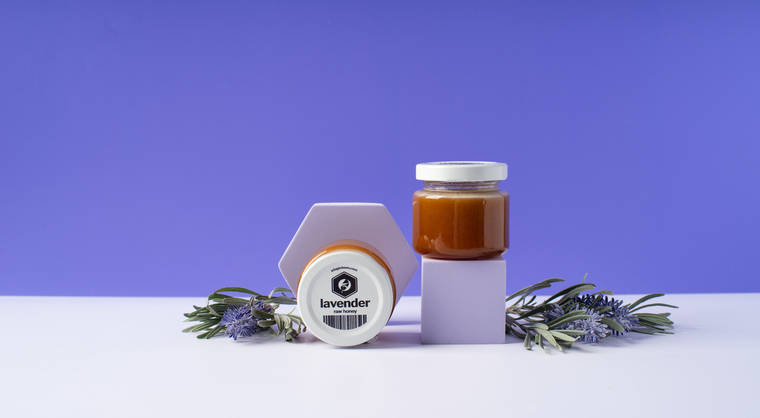
Observe the differences between Black Locust, Goldenrod, Star Thistle, and Bamboo Honey as an example. You can see that, in general (and with some exceptions, of course), the darker the honey, the later in the season it is harvested.
Processing Choices Matter
Once honey leaves the hive, how it's handled can either preserve or diminish its natural character.Minimal processing helps maintain honey's aroma, texture, and nuanced flavor notes. Excessive heating or heavy filtration can remove pollen and aromatic compounds, resulting in a honey that tastes flatter or more one-dimensional.
Texture is another key element. Naturally crystallized honey can feel creamy and rich, while liquid honey flows easily and highlights brighter notes of sweetness. Neither is better! They simply offer different experiences.
Understanding this can help explain why some honeys feel more "alive" on the palate than others.
Color Is a Helpful Hint—Not a Rule
Color is often the first thing we notice about honey, and while it offers clues, it doesn't tell the whole story.In general:
● Lighter honeys tend to be mild, floral, and delicate
● Darker honeys often carry bolder, earthier flavors
However, aroma, mouthfeel, and finish are just as important. Some light honeys can be surprisingly complex, while some dark honeys may feel smoother and more mellow than expected.
The best way to understand honey is through tasting, not assumptions.
How to Taste Honey Like a Pro
Tasting honey on its own can feel unusual at first, but it's one of the best ways to understand its complexity.A simple approach:
1. Warm the honey slightly so aromas are more noticeable (but be careful to not heat it over ~104°F/40°C).
2. Smell before tasting, noting floral, fruity, or earthy scents.
3. Let it sit on your tongue, allowing flavors to develop.
4. Pay attention to the finish! Does it fade quickly or linger?
Comparing two or three honeys side by side can make differences especially clear, even for beginners.
Using Different Honeys
Once you understand honey's range of flavors, it becomes easier (and more enjoyable) to use intentionally.● Mild honeys work beautifully in tea, baking, and everyday sweetening.
● Floral honeys shine when drizzled over fruit, yogurt, or simple desserts.
● Bold, dark honeys pair well with roasted vegetables, marinades, cheeses, and hearty breads.
Rather than treating honey as a single, interchangeable ingredient, think of it as a versatile pantry staple with many personalities.
From Hive to Jar, Every Honey Tells a Story
Honey isn't just sweet- it's expressive. Each jar reflects the flowers bees visited, the landscape they lived in, and the season in which it was made. Once you start noticing these details, honey becomes something you slow down for, taste thoughtfully, and choose with care.Whether you keep one trusted jar on hand or enjoy exploring several varietals, understanding why honeys taste different deepens your appreciation for this remarkable ingredient from hive to jar, and all the way to your table.