Why Is Buckwheat Honey Dark? Flavor, Color, and Uses
March 06, 2026
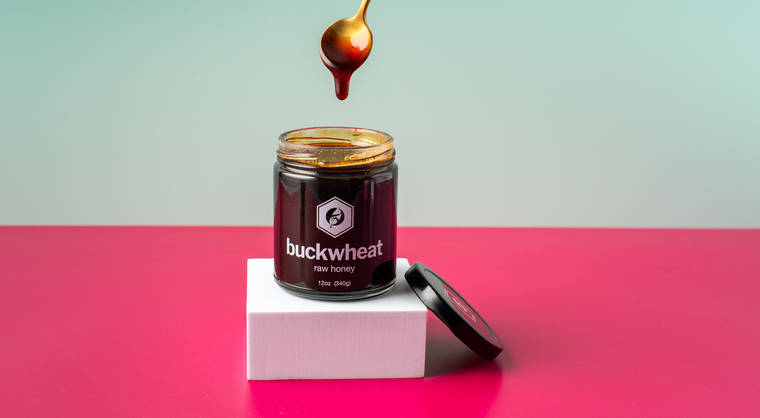
Its rich tone signals bold flavor, robust character, and a completely unique honey experience. For those curious, our Buckwheat Honey is a perfect example of this striking variety.
What Makes Buckwheat Honey Dark?
Honey derives its color from the nectar bees collect.Buckwheat flowers naturally produce a darker nectar than clover or wildflower blooms. When bees transform that nectar into honey, the result is a deep amber to nearly mahogany hue. This isn't overcooked or processed honey — it's simply the character of the flower source.
Other factors can influence the darkness too. Mineral content in the nectar, the season during which the buckwheat blooms, and subtle variations in the bees' honey-making process can all contribute to the unique shade and character of each jar.
How Dark Honey Tastes
Buckwheat honey's visual distinctiveness comes with an equally distinctive taste. Unlike lighter honeys, which tend to be mild and floral, buckwheat honey is bold and robust.It carries earthy, malty, or molasses-like notes that create a deep, layered sweetness. Its intensity isn't a drawback; it's a feature. Those who enjoy strong coffee, black tea, or rich baked flavors often appreciate how this honey stands out from more delicate varieties.
Light vs. Dark Honey: Where Buckwheat Fits
To better understand where buckwheat honey fits in the broader honey spectrum, it helps to think of honey on a color and flavor scale:- Light honeys → mild, floral, delicate (e.g., Tupelo Honey")
- Medium honeys → balanced sweetness with subtle flavor (e.g., Sourwood Honey)
- Dark honeys → bold, rich, full-bodied
Buckwheat honey firmly occupies the darker end of the scale. It doesn't attempt to mimic clover or wildflower honey.
Instead, it offers a distinctive experience that appeals to those seeking depth and character.
Why Its Boldness Is a Good Thing
The boldness of buckwheat honey makes it perfect for a variety of culinary uses. Its flavor stands up beautifully in baking and glazes, pairs exceptionally well with sharp cheeses, complements black tea or coffee, and adds depth to savory marinades. Highlighting its versatility, here are a couple of ways to enjoy buckwheat honey at home.Recipes Featuring Buckwheat Honey

1. Buckwheat Honey & Soy Glaze
Servings: 4
Prep time: 5 minutes
Ingredients
- 2 tablespoons Buckwheat Honey- 1 tablespoon soy sauce
- 1 tablespoon olive oil
- 1 teaspoon apple cider vinegar
- Pinch of salt
Instructions:
1. In a small bowl, whisk together the buckwheat honey, soy sauce, olive oil, apple cider vinegar, and salt until smooth.2. Brush the glaze over vegetables, chicken, or salmon before roasting, or drizzle over cooked items as a finishing touch.
3. Roast or bake as usual. Enjoy the rich, umami-enhanced flavor.
2. Buckwheat Honey & Butter Toast with Sea Salt
Servings: 1–2Prep time: 3 minutes
Ingredients
- Thick-cut bread, toasted- 1–2 teaspoons softened butter
- 1–2 teaspoons Adagio Bees Raw Buckwheat Honey
- Pinch of flaky sea salt
Instructions:
1. Spread softened butter over warm toast.2. Drizzle with buckwheat honey.
3. Sprinkle with a pinch of flaky sea salt and enjoy immediately.
Tip: The salt heightens the honey's bold flavor, creating a satisfying contrast without overpowering the natural sweetness.
Who Will Love Buckwheat Honey?
Buckwheat honey isn't for everyone, but that's exactly what makes it remarkable. It's perfect for fans of dark chocolate or molasses, people who enjoy robust coffee or black tea, home cooks looking to add depth to baked goods or marinades, and anyone ready to embrace a honey that is bold, distinctive, and full-bodied. Its dark color, earthy aroma, and rich flavor make it a honey worth seeking out.Rather than trying to taste like lighter honeys, buckwheat honey celebrates the flavor of buckwheat nectar itself. Once you understand that, what might have seemed intimidating becomes something to savor. From glazes to toast to simple sweetening, this honey proves that dark, bold, and distinctive can also be versatile and delicious.