What Raw, Filtered, and Unfiltered Honey Really Mean
March 13, 2026
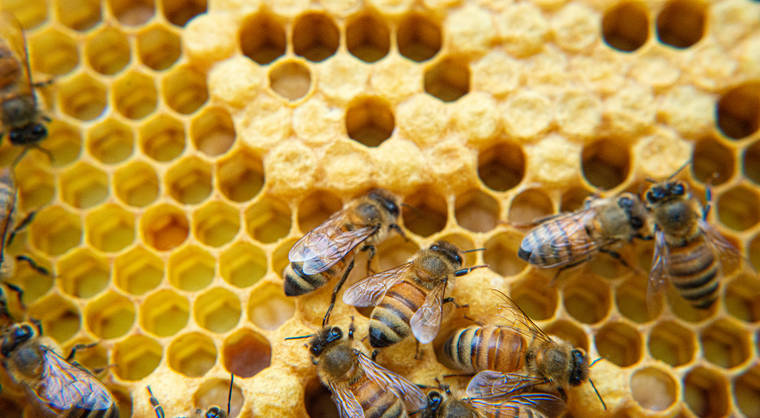
The short answer: these labels describe how honey is handled after it leaves the hive, not whether it's "better" or "worse." Understanding them can help you choose a honey that fits your preferences, whether you're drizzling it over toast, stirring it into tea, or baking with it. Let's break it all down in simple, straightforward terms.
What Does "Raw Honey" Mean?
"Raw honey" generally refers to honey that has undergone minimal processing after it's harvested. While there's no single legal definition used everywhere, raw honey is typically not heated to high temperatures and is only lightly strained.Because of this gentle handling, raw honey often:
– Varies in color from jar to jar
– Has a thicker or more textured consistency
– Contains natural variation in flavor depending on the flowers the bees visited
Raw honey tends to reflect its origin more clearly. You might notice subtle floral notes, earthy tones, or seasonal differences that make each batch feel a little unique. Visually, it may look cloudy or opaque rather than crystal clear, which is completely normal. Additionally, you may notice it change in texture or darken in color over time, like Orange Blossom Honey.
Many modern honeys you'll see labeled as raw are simply honey in a form that's close to how it appears straight from the hive: strained enough to remove larger bits of wax, but not heavily altered for uniformity.
What Does "Filtered Honey" Mean?
Filtered honey has been passed through a finer filtration process to remove very small particles, such as tiny bits of wax, pollen, or air bubbles. This extra filtering step results in honey that looks clear, smooth, and consistent from jar to jar.Filtered honey is often chosen for:
– Its bright, translucent appearance
– A smooth, easy pour
– Visual consistency, especially for gifting or display
In the kitchen, filtered honey behaves predictably. It dissolves easily into hot drinks, blends smoothly into sauces, and has a uniform texture that many people find appealing. The flavor is still recognizably honey, but tends to feel cleaner and more streamlined rather than complex or varied.
Filtered honey isn't more processed in terms of ingredients (it's still honey) but it's refined for clarity and consistency.
What Does "Unfiltered Honey" Mean?
Unfiltered honey is strained very minimally, or sometimes not at all, after harvesting. This means it may contain tiny natural particles like pollen grains, wax flecks, or sediment.Because of this, unfiltered honey may:
– Appear cloudy or opaque
– Have visible natural particles
– Feel thicker or more textured
This look often surprises people who are used to clear honey, but it's not a flaw. In fact, this variation is part of what many people enjoy about unfiltered honey, because it feels rustic and closer to its natural state.
Unfiltered honey can be especially enjoyable when used as a finishing touch, like spooned over yogurt or spread onto warm bread, where its texture and character really stand out.
Why These Labels Exist in the First Place
Honey has been harvested and enjoyed for thousands of years, but modern expectations have changed how it's presented. As honey became more widely sold and packaged, filtration and processing terms emerged to help describe differences in appearance and handling.These labels aren't about quality rankings. Instead, they reflect:
– How much the honey is strained
– Whether it's heated or left largely untouched
– How consistent the final product looks
Some people prioritize visual clarity, while others enjoy honey that shows more natural variation. These terms help set expectations before you open the jar.
How These Differences Show Up in the Kitchen
While raw, filtered, and unfiltered honeys are all versatile, you may notice subtle differences depending on how you use them.– In hot drinks: Filtered honey dissolves quickly and evenly, while raw or unfiltered honey may take a little more stirring, but results in more complex flavors.
– For baking: Any of these can work well, since honey fully melts and blends once heated.
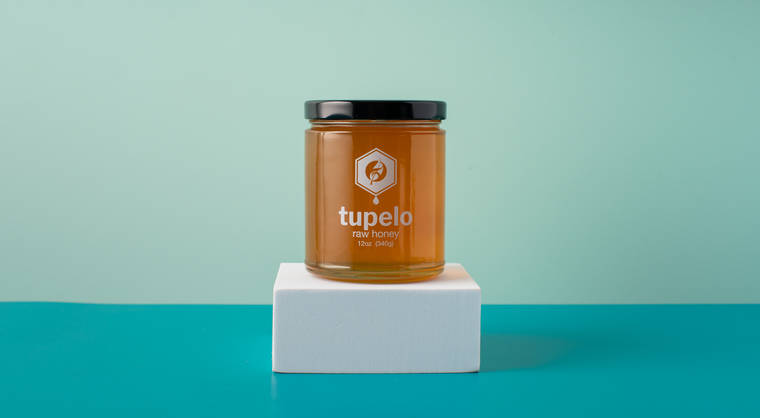
– As a topping or drizzle: Raw and unfiltered honeys often shine here, offering texture and flavor nuance. Try comparing two very different honeys, like Buckwheat Honey and Tupelo Honey.
Choosing a honey often comes down to whether you value uniformity or natural variation in your everyday cooking.
From the Hive to Your Pantry
Modern honey jars may look different from one another, but the basics haven't changed much over time. Honey is still harvested, strained, and stored with care, whether it's lightly filtered for clarity or left closer to its natural form.This is where seeing different honey varieties side by side can be helpful. Some honeys are naturally lighter and more fluid, while others are darker or thicker, depending on floral source and handling. A jar of raw or unfiltered honey from a trusted producer can look remarkably similar to how honey has appeared for centuries.
How to Choose the Right Honey for You
There's no single "correct" choice, just preferences. When deciding between raw, filtered, or unfiltered honey, consider:– How you plan to use it (baking, sweetening drinks, drizzling)
– The texture you enjoy (smooth vs. rustic)
– The look you prefer (clear vs. naturally cloudy)
Many people keep more than one type of honey on hand for different purposes, using filtered honey for beverages and raw or unfiltered honey when flavor and texture are the focus.
A Clearer Look at Honey Labels
Understanding honey labels makes shopping simpler and more enjoyable. Once you know what "raw," "filtered," and "unfiltered" really mean, you can choose honey with confidence. Not because one option is better than another, but because it suits your taste and your kitchen.At the end of the day, honey is meant to be used, shared, and enjoyed. The label just helps you know what to expect when you twist the lid open.