How Do We Know What Kind of Honey Bees Made?
April 13, 2026
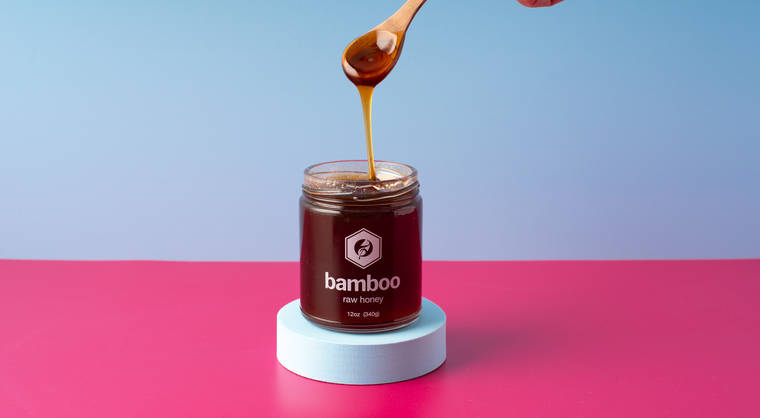
How do beekeepers actually know where that honey comes from?
After all, a single hive can contain tens of thousands of bees, each flying freely across fields, gardens, and trees. With so many potential nectar sources, it might seem impossible to trace honey back to a single type of flower.
The answer lies in a combination of bee behavior, careful hive placement, and a bit of observation. While it's not an exact science, there's more structure to it than you might expect.
Do Bees Really Stick to One Flower?
Surprisingly, yes! At least, for a while.Honeybees exhibit a behavior known as floral fidelity. When a forager bee finds a good source of nectar, it tends to return to the same type of flower repeatedly rather than hopping randomly between different plants. That source is recognized as being reliable.
Even more interesting, bees communicate these discoveries to the rest of the hive through what's known as the "waggle dance." This helps direct other bees to the same nectar source, reinforcing that focus.
Because of this behavior, large groups of bees often concentrate on a single type of flowering plant at any given time. That's what makes it possible to produce honey that is primarily derived from one floral source, called a monofloral variety.
How Beekeepers Influence the Flavor of Honey
While beekeepers can't control exactly where every bee goes, they can influence the overall nectar source in a big way: location.Hives are often placed near large areas of a single flowering plant, such as:
- Clover fields
- Orange groves
- Buckwheat crops
- Wildflower meadows
When a dominant nectar source is nearby and in bloom, bees are far more likely to focus on it. Timing also plays an important role. Beekeepers may move hives or harvest honey at specific points during a bloom cycle to capture a particular variety.
In this way, beekeepers are guiding the process rather than controlling it outright. They create the conditions for a certain type of honey to develop.
In some cases, beekeepers may even move their hives throughout the year to follow different bloom periods. This practice, sometimes called migratory beekeeping, allows them to take advantage of changing floral sources as seasons shift. For example, a hive might spend part of the year near citrus groves and later be relocated closer to fields of clover or wildflowers.
While the bees are still free to forage as they choose, these strategic moves increase the likelihood that a particular nectar source will dominate, helping shape the overall character of the honey produced during each harvest.
Why Honey Is Rarely Just One Flower
Even with careful placement, honey is almost never made from a single, pure floral source.Bees can travel several miles from their hive, and along the way, they may encounter other plants in bloom. Weather, geography, and seasonal changes can also affect which flowers are available at any given time.
That's why terms like "clover honey" or "orange blossom honey" don't mean the honey comes exclusively from one flower. Instead, they indicate that a particular nectar source is dominant in the final product. For example, a variety like Orange Blossom Honey develops when that nectar source dominates during a bloom.
This is also what gives honey its natural variation. Even two batches of the same type of honey can taste slightly different depending on the season and environment.
How Do Beekeepers Identify the Honey Type?
Once honey is harvested, how do beekeepers determine what to call it?There are a few key factors:
- Color: Lighter honeys are often mild and floral, while darker honeys tend to have deeper, more robust flavors
- Aroma: Each floral source contributes its own distinctive scent
- Flavor: Taste is one of the most important indicators, with notes ranging from delicate and sweet to bold and earthy
In some cases, honey can also be analyzed more formally through pollen identification, a process known as melissopalynology. This method examines the pollen grains present in the honey to determine which plants the bees visited.
However, in many cases, experienced beekeepers rely on a combination of observation, timing, and sensory cues to identify their honey.
What This Means for Flavor
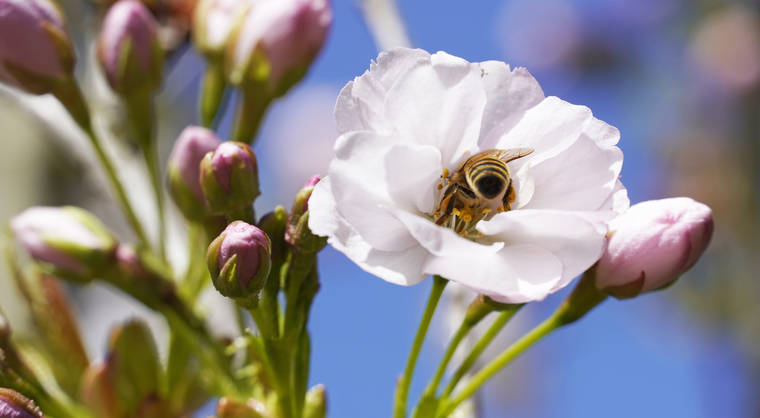
All of this variation is part of what makes honey so interesting.Different floral sources produce different flavor profiles. For example:
- Light, floral honeys tend to be mild and delicate (like Tupelo)
- Fruit blossom honeys can carry subtle citrus or orchard notes
- Darker honeys, such as Bamboo, often have bold, rich, almost molasses-like depth
Because bees respond to their environment, honey is always a reflection of both place and season. No two harvests are ever exactly the same.
A Collaboration Between Bees and Nature
Identifying a honey's origin is all about working in harmony with nature. Its production cannot (and should not) be strictly controlled.Beekeepers carefully choose locations, monitor bloom cycles, and observe their hives, but the bees ultimately do what they do best: forage, communicate, and transform nectar into honey.
The result is a product shaped by thousands of tiny decisions made by bees, guided gently by human hands, and influenced by the landscape itself.
So the next time you see a jar labeled with a specific floral source, you can think of it not as a precise formula, but as a snapshot of the natural environment at that time. Captured, concentrated, and ready to enjoy.