The 2026 Guide to Pairing Honey with Cheese
May 11, 2026
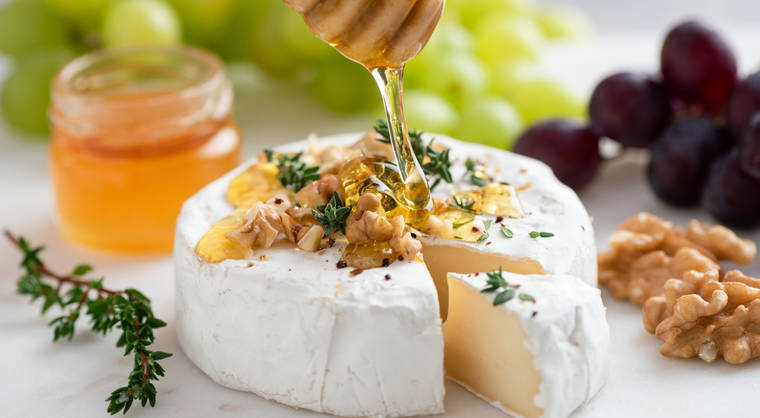
It's not just about sweet and savory. The best pairings come down to the balance of how flavors interact, contrast, and enhance each other.
Instead of memorizing specific combinations, it's more useful to understand the why behind them. Once you do, it becomes much easier to create pairings that feel intentional and like you've finally become a real adult. Use these tips to design a full cheese board or even when you're just putting together a quick snack.
Thinking Beyond Sweet & Savory
At first glance, honey and cheese seem like opposites.Cheese can be salty, tangy, rich, or even funky. Honey is sweet, smooth, and aromatic. The old saying in this case rings true: opposites attract.
And that contrast is exactly what makes the pairing work. Sweetness can soften sharpness, whereas salt can heighten sweetness. When both elements have their own flavor complexity, the result becomes more layered than either one alone.
Start with Texture and Intensity
Before thinking about specific flavors, it helps to consider two basic factors:1. Texture. Is the cheese soft and creamy, or firm and crumbly?
2. Intensity. Is it mild and subtle, or bold and in-your-face?
These two elements give you a foundation for choosing the right honey.
- Soft, mild cheeses benefit from a lighter honey
- Firm or aged cheeses shine alongside medium-bodied honeys
- Strong, pungent cheeses need the boldness of darker honeys
This simple framework helps prevent one ingredient from overpowering the other.
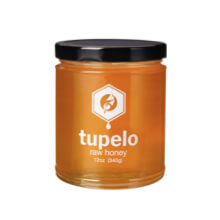
Light Honeys: Enhancing Without Overpowering
Lighter honeys (like Tupelo) tend to have delicate, floral, or subtly fruity notes.These work best with cheeses that are:
- Mild
- Creamy
- Fresh
Think of cheeses like brie, camembert, or fresh goat cheese.
In these pairings, the goal is enhancement. The honey adds a gentle sweetness that blends into the cheese, creating a smooth, cohesive bite.
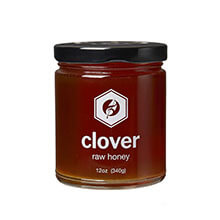
Medium-Bodied Honeys: Finding Balance
Honeys with a bit more body (often with mild caramel or herbal notes, like Clover) are ideal for cheeses that have more structure, like:- Aged cheddar
- Gouda
- Alpine-style cheeses (like an emmental, or raclette)
Here, the honey doesn't disappear into the cheese. Instead, it works to balance savory depth with a touch of sweetness.
This is often where people start to notice how much honey can influence the overall flavor experience.
Dark Honeys: Matching Bold with Bold
Darker honeys tend to have stronger, more distinctive flavors. They're sometimes described as earthy, malty, or even slightly bitter.These are best suited for cheeses with equally bold profiles, such as:
- Blue cheeses (i.e., gorgonzola)
- Washed rind cheeses
- Strong, aged varieties
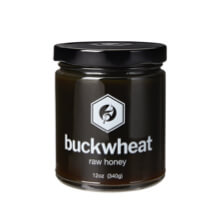
In these pairings, contrast becomes more pronounced. The honey helps tame sharpness while also adding its own depth.
For example, a robust honey like buckwheat can stand up to the intensity of blue cheese, creating a pairing that feels balanced rather than one ingredient overpowering the other.
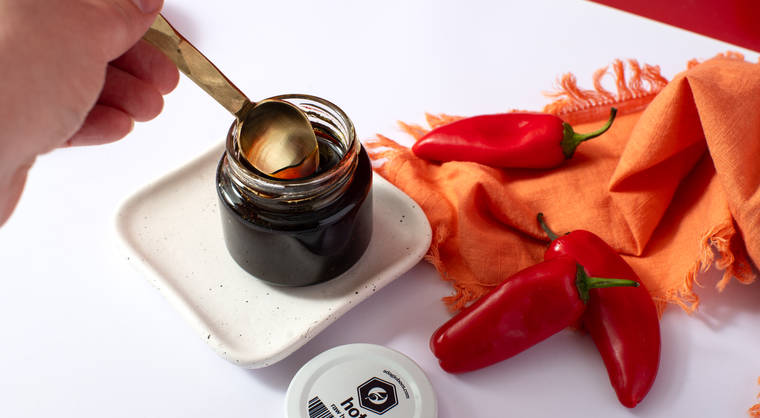
Exploring Flavored Honey Pairings
Flavored honeys open up an entirely new range of pairing possibilities.By infusing honey with ingredients like herbs, spices, or botanicals, you're adding another layer of flavor that can either complement or contrast with different cheeses in more unexpected ways.
A few examples to try:
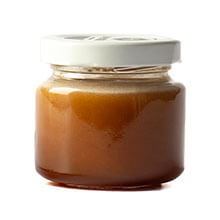
- Lavender honey pairs beautifully with soft, creamy cheeses like brie or goat cheese. The floral notes add a light, aromatic quality that enhances the richness without overwhelming it.
- Hot honey works especially well with salty or aged cheeses. The combination of heat and sweetness creates a contrast that cuts through richness and adds a bit of excitement to each bite.
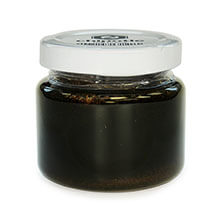
- Chipotle or smoked honey complements stronger cheeses, including aged cheddar or washed rind varieties. The subtle smokiness adds depth and pairs well with more savory profiles.
- Cinnamon honey brings warmth and a hint of spice, making it a natural fit for nutty or semi-firm cheeses like gouda. It can give the pairing a slightly dessert-like feel without becoming too sweet.
Flavored honeys make it easy to experiment beyond traditional pairings. Even a small drizzle can completely change how a cheese tastes, turning a familiar combination into something new.
Contrast vs Complement
Not all pairings need to follow the same logic.Some combinations work because they mirror each other, while others succeed because they contrast sharply.
- Complementary pairing: pair mild honey with a creamy cheese for a smooth and unified combination
- Contrasting pairing: try a bold honey with salty cheese if you prefer a dynamic and layered approach
Both approaches are valid. The difference comes down to the kind of experience you want.
How Aroma Plays a Role
While taste is an important factor when it comes to flavor, aroma matters too.Honey carries subtle aromatic compounds that can interact with the scent of a cheese. Floral honeys can brighten a creamy cheese, while darker honeys can deepen more savory or earthy profiles.
This is often what makes a pairing feel especially cohesive, even if the individual flavors are quite different.
A Simple Way to Experiment
You don't need a full spread to explore pairings.Try this:
- Choose one cheese
- Taste it on its own
- Add a small drizzle of honey
- Adjust the amount and type of honey
This lets you see how the flavor shifts in real time.
Start small if this feels intimidating, and make adjustments accordingly. Part of the process is learning what you do and don't like!
Let Your Taste Lead
That's why there's no single "correct" way to pair honey with cheese.Guidelines can help, but personal preference plays a big role. Some people enjoy subtle, balanced combinations, while others prefer bold contrasts.
The more you experiment, the easier it becomes to recognize what you enjoy and why.
A More Thoughtful Way to Pair
Pairing honey with cheese doesn't have to be about presentation or following a set list of combinations.By focusing on texture, intensity, and flavor, you can approach pairings more intuitively. This not only makes the process easier but also more enjoyable.
With a jar of honey and a few cheeses to explore, it's easy to discover combinations that feel both simple and surprisingly refined.