How to Store Honey Properly: Tips and Tricks
June 17, 2026
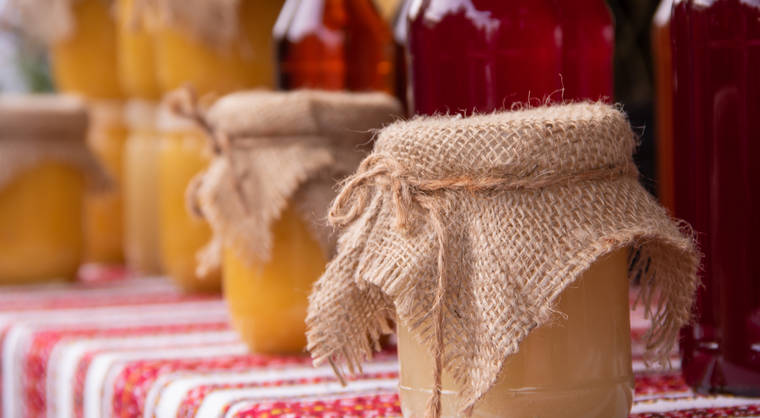
That said, how you store honey still matters.
Improper storage can lead to changes in texture, crystallization, or subtle shifts in flavor. The good news is that with a few simple guidelines, it's easy to keep your honey in great condition and ready to enjoy whenever you need it.
Does Honey Ever Go Bad?
One of the most common questions about honey is whether it expires.Technically, honey has an incredibly long shelf life due to its low moisture content and natural composition. These qualities make it difficult for bacteria or microorganisms to grow, which is why honey has been found preserved for years (even millennia!) under the right conditions.
However, while honey doesn't spoil easily, it can still change over time. Factors like air exposure, temperature, and moisture can affect its texture and flavor, which is why proper storage is important. Don't worry though, once you know some of the cardinal rules of honey storage, it's easy.
The Best Place to Store Honey
The ideal place to store honey is at room temperature, in a dry environment, and away from direct sunlight.A kitchen cabinet or pantry shelf is usually perfect. Keeping honey in a stable environment helps preserve both its consistency and its natural flavor.
Avoid placing honey near heat sources like stoves or windows. Excessive heat can thin the honey and may gradually impact its flavor. On the other hand, colder environments can cause it to thicken or crystallize more quickly. This doesn't mean your honey has gone bad, but many people prefer to delay this process as long as possible.
Should You Refrigerate Honey?
In most cases, refrigeration is not recommended.While it won't harm the honey, storing it in the refrigerator speeds up the crystallization process. This can cause the honey to become thick, grainy, and harder to pour.
If your goal is to keep honey smooth and easy to use, room temperature storage is the better option.
Understanding Crystallization
One of the most misunderstood aspects of honey storage is crystallization.Over time, honey may naturally transition from a smooth liquid into a thicker, more solid form. This is completely normal and is especially common with raw honey. It does not mean the honey has gone bad.
Crystallization happens when glucose separates from water and forms crystals. Some types of honey crystallize faster than others, depending on their natural composition. For example, darker varieties like buckwheat honey often stay liquid longer than lighter, more delicate honeys.
How to Fix Crystallized Honey
If your honey does crystallize, it's easy to return it to a smoother consistency.The simplest method is to gently warm the container by placing it in a bowl of warm water. Over time, the crystals will dissolve and the honey will return to its liquid state.
It's best to avoid using high heat or microwaving, as excessive temperatures can affect the honey's flavor and overall quality.
A Note on Using Honey in Cooking
While gentle heat can help smooth crystallized honey, higher temperatures used in cooking can gradually affect its flavor. More delicate notes, especially in lighter or more floral varieties, may become muted, leaving behind a simpler sweetness.That doesn't mean honey shouldn't be used in cooking. It can add depth, richness, and a subtle caramelized quality to many dishes. However, if you're working with a more nuanced honey, you may get more out of it by adding it toward the end of cooking or using it as a finishing touch.
Keep Moisture Out
Another of the most important aspects of storing honey is keeping moisture away from it.Because honey is naturally low in water, introducing moisture can create conditions that affect its stability. This is why it's important to:
- Always use a clean, dry spoon
- Avoid dipping wet utensils into the jar
- Keep the lid tightly sealed when not in use
These small habits help maintain the honey's consistency and prevent unwanted changes over time.
Choosing the Right Container
Honey is best stored in a well-sealed container, typically glass or food-safe plastic.Glass jars are often preferred because they don't absorb odors and help preserve the honey's natural flavor. Regardless of the material, the key factor is keeping the container airtight to minimize exposure to air and humidity.
If you're transferring honey from one container to another, make sure the new container is completely clean and dry before use.
Does Storage Affect Flavor?
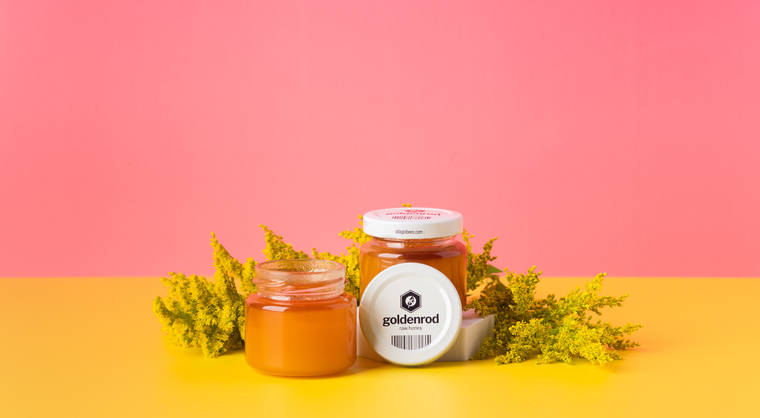
While honey is stable, its flavor can still be influenced by how it's stored.Exposure to air, light, or fluctuating temperatures can slowly dull some of the more delicate flavor notes, especially in lighter or more floral varieties, like goldenrod honey.
Keeping honey in a consistent, controlled environment helps preserve those subtle characteristics, allowing you to enjoy the full range of flavors over time.
A Simple Pantry Staple That Lasts
One of the best things about honey is how low-maintenance it is.Keeping in mind just a few simple storage habits (like keeping it sealed, dry, and at room temperature) ensures that your honey stays smooth, flavorful, and ready to use whenever you need it.
Whether you're drizzling it into tea, using it in recipes, or enjoying it by the spoonful, properly stored honey is one of those reliable pantry staples that provide long-lasting sweetness to your kitchen.