Honey for the Lunchbox: Back to School Swaps
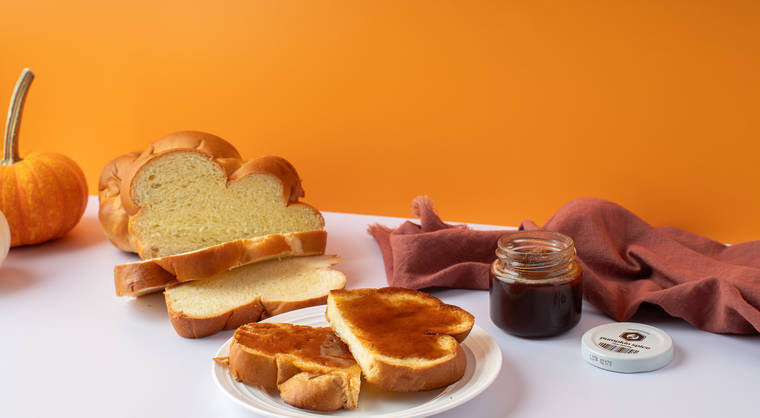
There's a particular smell that comes back to almost everyone the second they picture a school lunchbox: warm bread, a banana going slightly brown, whatever was in the thermos that morning. Proust had his madeleine. The rest of us have a slightly squashed sandwich wrapped in wax paper. Memory, it turns out, is not picky about its vessel.
Which is a roundabout way of saying that what goes in the lunchbox matters more than we usually admit. Not because a nine-year-old is scrutinizing the ingredient label, but because the small, repeated choices, what's sweet, what's sticky, what actually gets eaten instead of traded for someone's fruit snacks, quietly become the taste memories that outlast the school year itself.
So as backpacks come out of closets again, here's the case for keeping a jar of raw honey in the rotation, and a few ways to actually use it.
The Swap That Isn't Really a Sacrifice
Honey isn't a health food in the way wellness marketing likes to imply. It's still sugar, and it should be treated as the treat it is. But it is a more interesting sugar than the refined kind. Unprocessed, it carries trace enzymes, pollen, and the particular character of whatever the bees were working that season. Swapping honey for white sugar in a recipe doesn't just change the sweetness level, it changes the flavor entirely, in ways refined sugar was never built to do.
That's the real argument for working it into lunchbox staples: not virtue, but taste. A peanut butter and honey sandwich isn't a lesser version of a peanut butter and jelly sandwich. It's a different one, arguably better, less cloying, with a floral or malty note depending on the honey you reach for.
Not every honey behaves the same way in a lunchbox, either. A mild wildflower or clover honey disappears into a sandwich without announcing itself, which is usually what you want on a Tuesday. Something bolder, like buckwheat or a flavored honey, is better saved for the foods where you actually want the honey to be noticed: a yogurt cup, a drizzle over apple slices, a granola bar that's meant to taste like more than just "sweet." Treat it less like a single ingredient and more like a small spice rack, one jar for blending in, another for standing out.
Where It Actually Works
- The sandwich, reconsidered. Skip the jelly and go straight honey and nut butter, or stir a spoonful of honey into cream cheese before spreading. It turns a plain bagel into something a kid will ask for again tomorrow.
- Yogurt cups, without the packet of who-knows-what. Plain yogurt plus a swirl of raw honey does everything a flavored yogurt cup does, with about a third of the ingredient list.
- Granola bars that hold together. Honey is a binder as much as a sweetener, which is why so many granola bar recipes call for it instead of sugar. A batch made at home, sweetened with something like our Orange Blossom, tends to disappear before the week is out.
- Trail mix, upgraded. A light honey glaze on nuts or oats, baked for ten minutes, turns a bag of pantry odds and ends into something that reads like it came from a bakery.
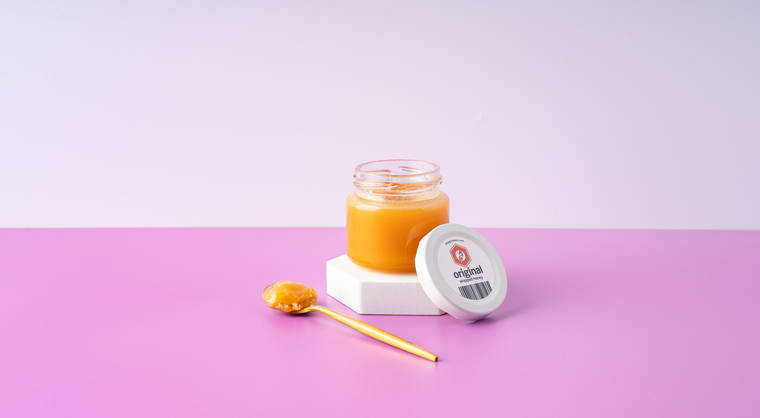
For all of the above, our Whipped Honey is worth keeping on hand specifically for lunch-packing. It spreads like butter instead of running everywhere, which matters a great deal when you're working against a bus schedule and a four-year-old's patience.
One Real Caveat
Here's the fact-check that actually matters, and it isn't optional: honey should never be given to children under one year old. Even a trace amount can carry spores that cause infant botulism, since a baby's digestive system isn't yet equipped to handle them the way an older child's or adult's can. This isn't a raw-versus-processed distinction. It applies to all honey, full stop. Once a child has passed that first birthday, the concern goes away entirely. It's a small window of caution around what is, for everyone past it, one of the more forgiving ingredients in the kitchen.
The Short Version
Nobody remembers their childhood lunches for being nutritionally optimized. They remember them for tasting like something specific: a particular sandwich, a particular sweetness. Honey has a way of making the ordinary lunchbox rotation taste a little more like that, which is, in the end, the whole point of a good ingredient swap.